
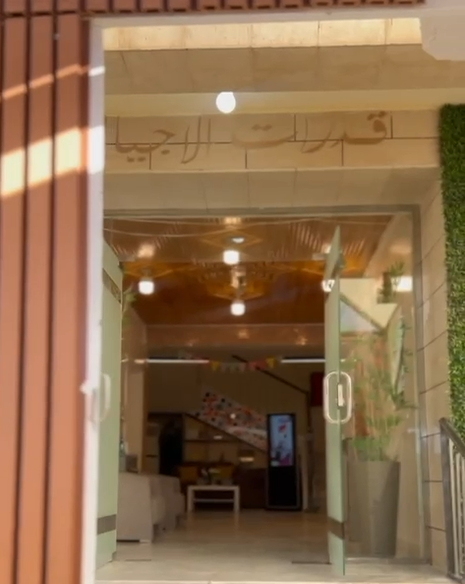





يهدف المقرر إلى غرس حب البحث والاكتشاف لدى الطلاب، وتنمية مهاراتهم في طرح الأسئلة، الملاحظة، وجمع المعلومات، من خلال أنشطة عملية وتجارب مبسطة تحفّز الفضول العلمي وتدعم التفكير الناقد.
📚 المحتوى الأساسي
-
مهارات البحث العلمي: طرح الأسئلة، جمع البيانات، تسجيل الملاحظات، واستخلاص النتائج.
-
الملاحظة والتجريب: استخدام الحواس والأدوات البسيطة للتعرّف على الظواهر من حولنا.
-
التصنيف والمقارنة: التعرّف على أوجه الشبه والاختلاف بين الأشياء والكائنات.
-
الأنماط والعلاقات: ملاحظة التغيرات والتسلسل في الأحداث (مثل دورة حياة النبات أو تعاقب الليل والنهار).
-
حل المشكلات: استخدام أسلوب الاستقصاء للوصول إلى حلول عملية وبسيطة.
🎯 الأهداف
-
تنمية الفضول لدى الطلاب وحب الاستطلاع.
-
تدريبهم على خطوات الاستقصاء العلمي بشكل مبسط.
-
تعزيز مهارات التفكير النقدي والقدرة على الربط بين المعلومة والتجربة.
-
تشجيع العمل الجماعي والمشاركة في النقاشات الصفية.
-
تأسيس قاعدة معرفية تُمكّن الطالب من الانتقال بسلاسة للمراحل الدراسية الأعلى.
محتوى المادة
الفصل الدراسي الأول First Term
Unit 4: Lesson 1: Human Organs
-
Vocabulary
-
Know about some of the important organs in humans
-
Say what these body organs do
-
Bar chart and patterns
-
Make conclusion from results
-
Make predictions and see if they were right
-
Record information in a table
-
Quiz yourself (U:4, L:1)
Unit 4: Lesson 2: Animal groups and different life cycles
-
Vocabulary
-
recognise the different body parts of different groups of animals
-
describe and compare the different life cycles of different animals
-
use observations to sort animals into different groups
-
use a diagram to show how life cycles work
-
use a bar chart to answer questions
-
use informaton sources to research and answer questions
-
Quiz yourself (U:4, L:2)
Unit 4: Lesson 3: Food chains
-
Vocabulary
-
read, talk about, draw and write food chains
-
know that in a food chain the plant is the producer and animals are consumers
-
use a diagram to show the steps in a food chain
-
make a prediction about what might happen to a food chain
-
use information sources to research and answer questions
-
Quiz yourself (U:4, L:3)
Unit 4: Lesson 4: Fossils
-
Vocabulary
-
explain that fossils are impressions or remains of things that were once alive
-
make and use models in science
-
use information sources to research and answer questions
-
Quiz yourself (U:4, L:4)
Unit 2: Lesson 1: Solids, Liquids and Gases
-
Vocabulary
-
Name two examples of materials that are usually solid, two that are liquid and two that are gases
-
describe the different properties of solids and liquids
-
sort materials into solid, liquid and gas groups by making observations
-
identify which of the five types of science investigation we are doing
-
explain how we stayed safe in practical work
-
Quiz yourself (U:2, L:1)
Unit 2: Lesson 2: Separating Mixtures
-
Vocabulary
-
describe some different mixtures and how to separate them
-
talk about the properties of different materials in a mixture
-
choose the right equipment to separate a mixture
-
draw clear diagrams
-
Quiz yourself (U:2, L:2)
Unit 2: Lesson 3: Dissolving
-
Vocabulary
-
Name two materials that dissolve in water and one that does not
-
ask a scientific question and plan the right type of scientific enquiry to find the answer
-
record observations in tables and diagrams
-
Explain how to stay safe in an investigation
-
Quiz yourself (Dissolving)
Unit 2: Lesson 4: Filtering
-
Vocabulary
-
draw diagrams to show how to separate a mixture of a solid and a liquid
-
draw clear diagrams
-
record my observations in tables and diagrams
-
use my results to say whether my predictions were correct or not
-
do practical work safely
-
Quiz yourself (filtering)
Unit 2: Lesson 5: Separating Materials from Rocks
-
Vocabulary
-
Name the source of all the materials we use
-
say where oil, natural gas, metal and some other materials are found
-
.ask a scientific question and say which type of scientific enquiry can be used to find the answer
-
research answers to questions using books, videos or the internet
-
Quiz yourself (Separating materials from rocks)
Unit 6: Lesson 1: The Shape of the Earth, Sun and Moon
-
Vocabulary
-
describe the shape of the Earth, Sun and Moon
-
say why the Earth, Sun and Moon are the same shape
-
name the five types of scientific enquiry
-
use books, videos or the internet to do research
-
name two kinds of models used in science and use a model to learn science
-
Quiz yourself (The Shape of the Earth, sun and Moon)
Unit 6: Lesson 2: The Moon
-
Vocabulary
-
describe the movement of the Moon
-
make different type of model to show the size and the movement of the Moon ( learn science from different types of model)
-
Quiz yourself (The Moon)
Unit 6: Lesson 3: The Phases of the Moon
-
Vocabulary
-
describe the phases of the Moon
-
describe why the Moon appears to move across the sky by describing the movement of the Earth and Moon
-
make a model to show why the Moon appears to change shape (learn science from different types of model)
-
record observations in a table
-
Quiz yourself (The Phases of the Moon)
Practice test
-
Practice test (first-term final exam)
الفصل الدراسي الثاني Second Term
!Unit 1: Lesson 1: Alive or not alive
-
المفردات Vocabulary
-
أن يحدّد الطالب الفروق بين الكائنات الحيّة find differences between things that are living
-
أن يستخدم الطالب القواعد السبع للتأكد مما إذا كان الشيء حيًّا أم غير حي use seven rules to see if something is alive or not
-
أن يتعرّف الطالب أنواع الاستقصاء العلمي know about the types of scientific enquiry
-
أن يصنّف الطالب الأشياء وفق خصائصها classify things
-
أن يجمع الطالب ملاحظاته ويسجّلها collect and record observations
-
Quiz yourself (Alive or not alive!)
Unit 1: Lesson 2: Plant parts
-
المفردات Vocabulary
-
أن يذكر الطالب وظائف كل من الورقة والزهرة والساق والجذر say what the leaf, flower, stem and root do
-
أن يصمّم الطالب نموذجًا لنبات make a model of a plant
-
أن يرسم الطالب جذور النبات make a drawing of plant roots
-
أن يبحث الطالب عن الأوراق باستخدام الكتب أو شبكة الإنترنت research leaves using books and the internet
-
(Quiz yourself (L2: Plant parts
Unit 1: Lesson 3: Plant and light
-
المفردات Vocabulary
-
أن يعرف الطالب أن النباتات تحتاج إلى الضوء والظروف المناسبة لتكون صحيّة know that plants need light and the right conditions to be healthy
-
أن يعرف الطالب أن النباتات الصغيرة تنمو من البذور know that baby plants grow from seeds
-
أن يناقش الطالب أهمية الاختبار العادل talk about the importance of a fair test
-
أن يبحث الطالب عن الأنماط في النتائج look for patterns in results
-
أن يستنتج الطالب النتائج من البيانات التي توصّل إليها make a conclusion from results
-
أن يتوقّع الطالب ما قد يحدث ويتحقق من صحة توقعاته make predictions and see if they are righ
-
Quiz yourself (Plants and light)
Unit 1: Lesson 4: Plants need water and the right temperature
-
Vocabulary
-
أن يستقصي الطالب كيفية احتياج النباتات للماء كي تكون صحيّة investigate how plants need water to be healthy
-
أن يعرف الطالب أن النباتات تحتاج إلى درجة الحرارة المناسبة كي تكون صحيّة know that plants need the right temperature to be healthy
-
أن يعرف الطالب كيف يصعد الماء للأعلى في ساق النبات know how water moves up through a plant stem
-
أن يقيس الطالب باستخدام الوحدات المعيارية measure using standard units
-
أن يتوقّع الطالب ما قد يحدث ويتحقق من صحة توقعاته make predictions and see if they are right
-
أن يستنتج الطالب النتائج من البيانات التي توصّل إليها make a conclusion from results
-
أن يقرأ الطالب النتائج من مخطط بياني بالأعمدة ويبحث عن الأنماط فيها read results from a bar chart and look for patterns in these results
-
Quiz yourself (Plants need water and the right temperature)
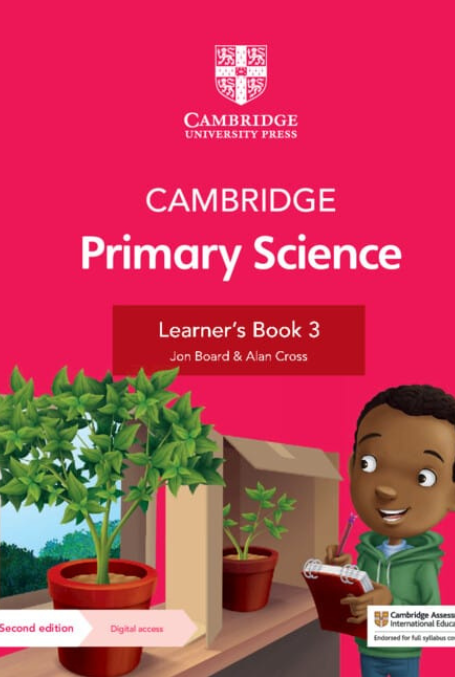
 الدروس: